The Clean Energy Infrastructure
Powering a Sustainable Tomorrow

Solar Power

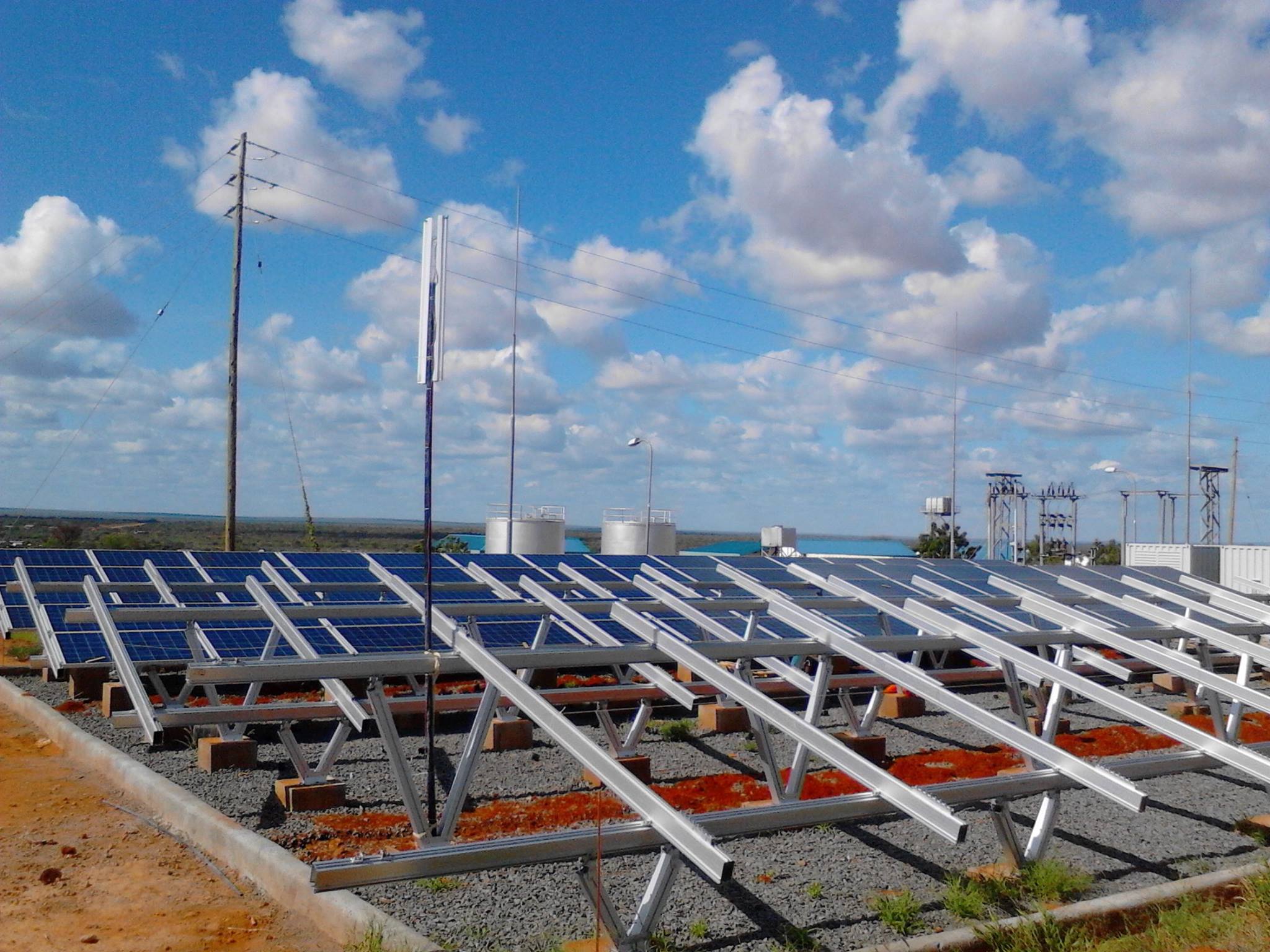
Solar photovoltaic (PV) technology converts sunlight directly into electricity, and remains the most widely deployed renewable energy source globally. Nigeria receives strong year-round solar irradiance across most of the country, particularly in the northern states, making solar one of the most viable paths to closing the country's electricity access gap especially for off-grid and rural communities beyond the reach of the national grid.

Wind Power

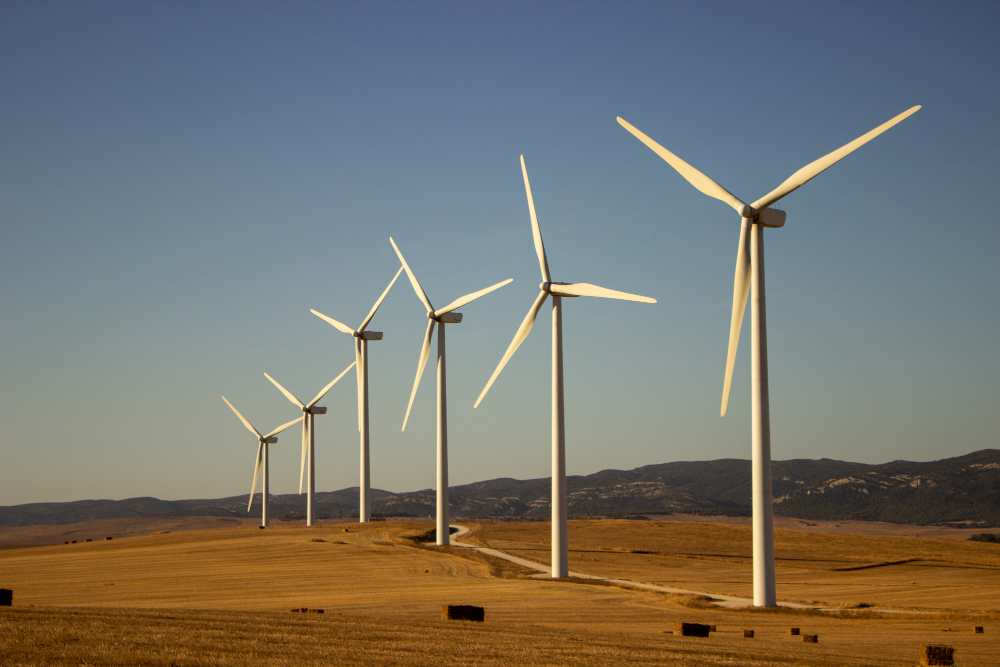
Wind power generates electricity by converting the kinetic energy of moving air into power through turbines. Nigeria's wind potential is more geographically concentrated than its solar potential, with the strongest resources typically found in northern regions and along parts of the coastline. While still an emerging area of Nigeria's renewable mix, wind represents a complementary technology to solar for regions with favorable conditions.

Biofuel

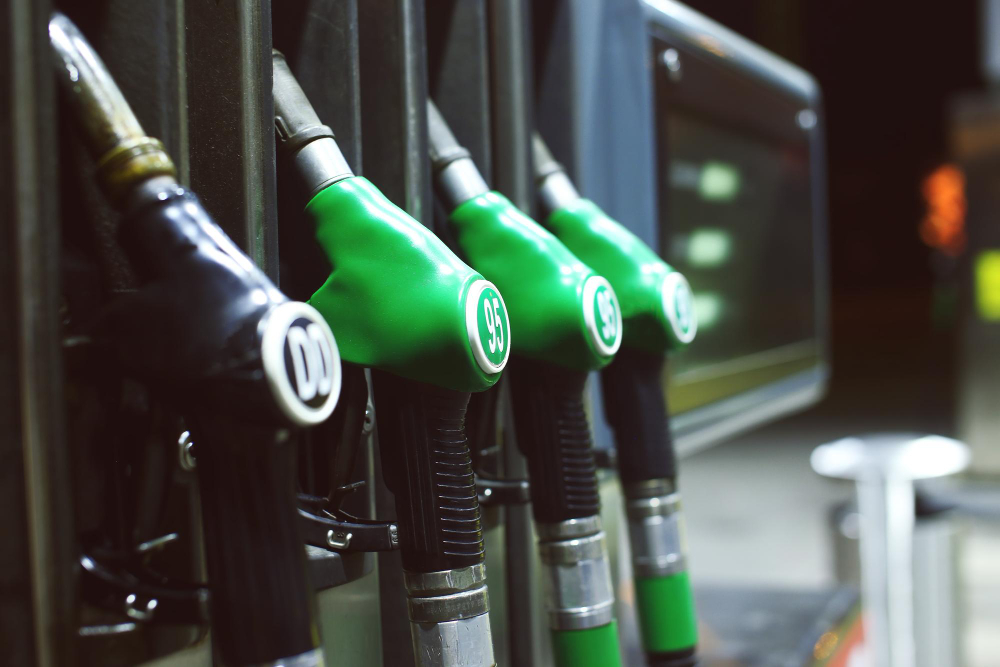
Biofuels are liquid or gaseous fuels produced from organic matter commonly agricultural crops or crop residues offering a renewable alternative to fossil fuels for transport and industrial use. Given Nigeria's large agricultural sector, including major cassava, sugarcane, and palm oil production, biofuel presents an opportunity to convert agricultural byproducts into usable energy while supporting rural economies.

Biogas

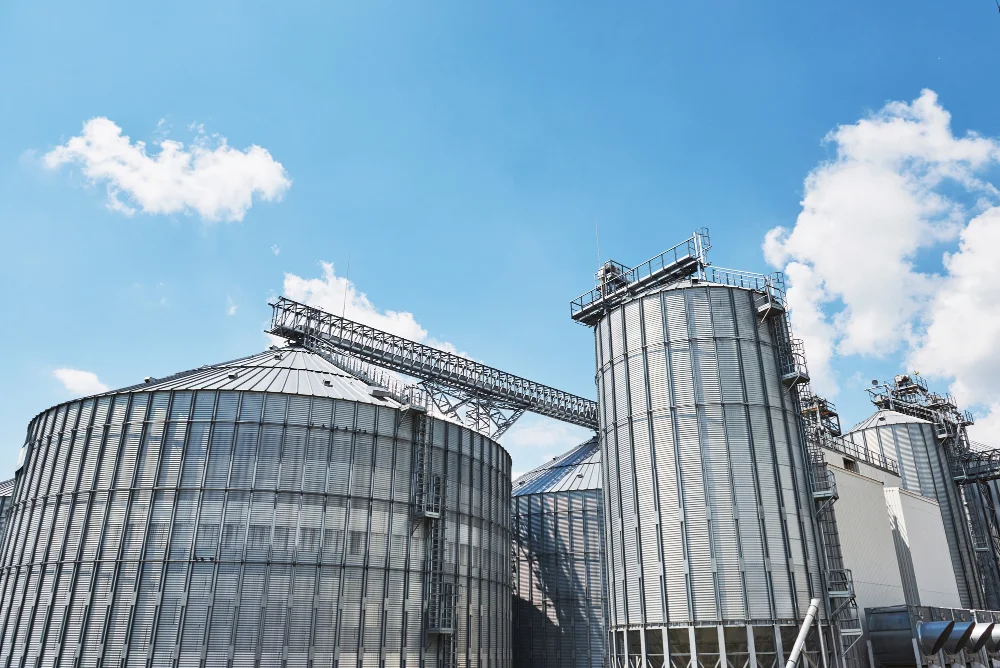
Biogas is produced through the anaerobic digestion of organic waste including agricultural residue, animal manure, and food waste yielding a renewable fuel usable for cooking, heating, or electricity generation. With Nigeria's substantial agricultural and livestock sectors generating significant organic waste, biogas offers particular promise for rural households currently reliant on firewood or charcoal for cooking fuel.

Small Hydropower

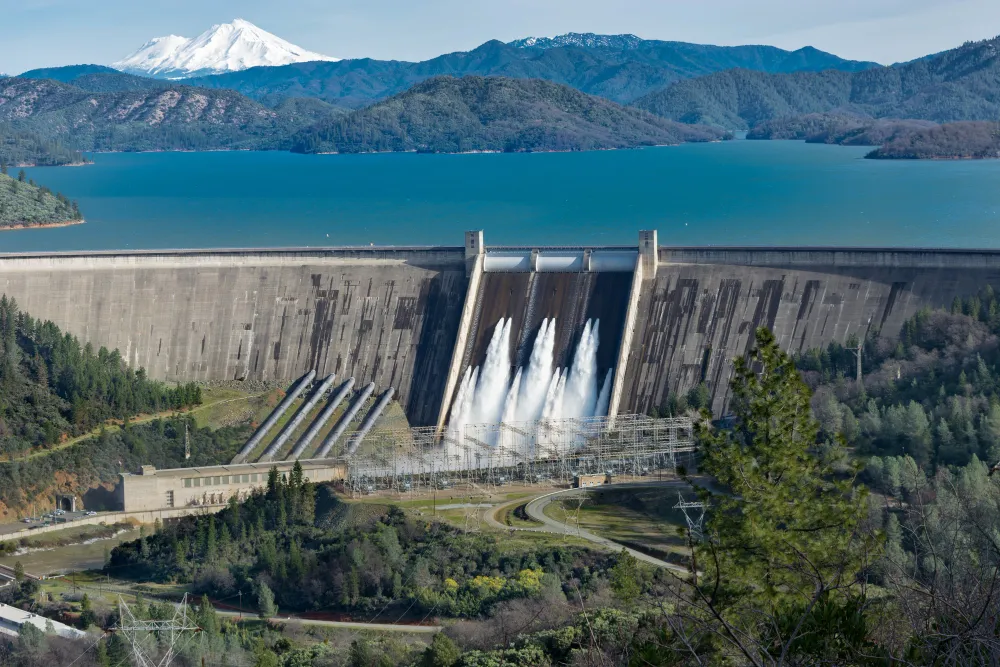
Solar photovoltaic (PV) technology converts sunlight directly into electricity, and remains the most widely deployed renewable energy source globally. Nigeria receives strong year-round solar irradiance across most of the country, particularly in the northern states, making solar one of the most viable paths to closing the country's electricity access gap especially for off-grid and rural communities beyond the reach of the national grid.

Membership Benefits

Influence

Get involved in better policy decisions and influence national and state policymakers and regulators by voicing your concerns with SEPAN.

Network

With leading solar energy companies as members of SEPAN, you’ll develop an effective business network through our frequent seminars and meetings.

Visibility

Through our member directory, get better visibility. Customers increasingly cite us as a source of leads for their queries.


Informatic

Get single-window access to vast information on sustainable energy through our frequent members-only alerts related to tenders, policy, technology, markets, or regulations.

Discounts

Get discounts on important industry seminars and expos, in addition to significant discounts on events organised by SEPAN.

Media

Submit press releases to us to be noticed by mainstream as well as sector-specific media.

Stories That Power a Sustainable Future

Dr. (Engr.) Matthew Edevbie: A Visionary Leader Transforming Nigeria’s Energy and Infrastructure Sectors When it comes to advancing Nigeria’s energy sector and transforming communities, few individuals have made as
Read more about Read More

Frequently Asked Questions

Answers to common questions about SEPAN, membership, and how we work

What is SEPAN?

SEPAN (Sustainable Energy Practitioners Association of Nigeria) is the national umbrella association for Nigeria’s sustainable and renewable energy sector  a policy advocacy platform connecting practitioners, policymakers, and industry

Manufacturers, EPC contractors, rooftop installers, system integrators, balance-of-plant suppliers, and small and medium enterprises, working alongside Federal and State governments.

Five things: proactive research, facilitating dialogue between policymakers and industry, convening expert forums, hosting an Annual General Conference, and national/international networking.

SEPAN’s flagship initiative a national push to generate 5,000MW of green power for Nigeria by 2030, tracked by a dedicated department.

By a Board of Trustees, headed by a Director General, with supporting Directorates and a National Advisory Board in an advisory role.

Yes, SEPAN partners with bodies including the Federal Ministry of Power, Federal Ministry of Environment, NERC, the Energy Commission of Nigeria, and the National Assembly.

Solar power, wind power, biofuel, small hydropower, and circular economy practices.

Through the Contact page, by phone, or by email, details are listed there.

How do I become a member?

Complete the registration form on the Join SEPAN page, selecting your membership category.

Bank transfer, with instructions provided after you submit your registration.

Your application is reviewed by SEPAN staff, and you’ll receive confirmation once your payment and details are verified.

SEPAN collects only the information needed to process your membership application.

Reach out via the Contact page and SEPAN’s team will help resolve it.

Does SEPAN host events?

Yes; workshops, training sessions, and policy dialogues throughout the year.

Built on the existing Nigeria Alternative Energy Expo, it gathers members, policymakers, manufacturers, and investors to discuss best practices in the sector.

On the Events page.

Yes; training and capacity building for registered members, organized quarterly.

A SEPAN program advancing women’s and youth participation in the clean energy sector, aligned with UN Sustainable Development Goals 7 through 17.

Research and policy advocacy are core to SEPAN’s work, though a public research/resource library isn’t live on the site yet.

Reach out through the Contact page; partnership inquiries are welcome.

Ready to Join SEPAN

Be part of Africa’s leading voice in sustainable energy advocacy