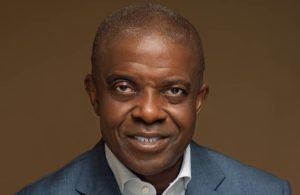
Dr. (Engr.) Matthew Edevbie: A Visionary Leader Transforming Nigeria’s Energy and Infrastructure Sectors When it comes to advancing Nigeria’s energy sector and transforming communities, few individuals have made as
Nine programs driving Nigeria’s renewable energy transition from policy research and the G2030 Roadmap to training, funding, and gender inclusion.
This department will be a portal for credible, up-to-date, robust statistical data on key national, sub-national and sustainable energy indicators. It hopes to collaborate and partner with national and international statistical agencies.
Goals:
Action Agenda:
Head: Dr. Amina Batagarawa — Head, Research Support Services/Data Bank
This department will oversee information sharing and storage among members of the Group (institutions and individuals), especially in the areas of provision of designs and development of templates on sustainable energy technologies for adaptation for the Nigerian environment. This department will focus essentially on the technical mindset of sustainable energy prospects and NOT the business prospects. For it is only when we have gotten the technological foundation right that the business will thrive in the sector.
Goals:
Action Agenda:
Head: Engr. Petrus Obinwanne — Head, Research and Development
The G2030 is the flagship of SEPAN in generating 5000 MW of Green Power by 2030. The department will therefore monitor the progress of this initiative and ensure sustainability in the Nigeria energy market in the long term.
Goals:
Action Agenda:
Head: Prof. Emma Onyejeose — Head, Special Projects
This department will organise training and capacity building series for members on a quarterly basis and will focus on conceptual, methodological and analytical questions underlying SEPAN’s research challenges. The department is also expected to organise training consultancy (courses, seminars, workshops) to clients based on SEPAN’s core capacities and competencies.
Goals:
Action Agenda:
Head: Dr. Chidi Magnus Onuoha — Head, Training and Capacity Building
The department will oversee and see to the expansion of services in the renewable energy sector. This is with a view to bridging the deficiency in energy infrastructure in Nigeria, the largest economy in Africa with over $510 billion GDP. The growth in the GDP over the years is not commensurate with growth in energy infrastructure. This department also hopes to fast track a Policy Roadmap for the elimination of challenges inherent in the cost of funding renewable energy infrastructure.
Goal:
Action Agenda:
Head: Mr. Suleiman Yusuf — Head, Infrastructure and Funding
Focuses on women’s and youth participation in decision-making, tied to UN SDGs 7–17 on clean energy, aiming for inclusiveness by 2030.
Head: Miss Adenike Akinsemolu, Head of Gender Mainstreaming/Youth Development.
This department will be saddled with the responsibility of reporting as well as communicating the milestones recorded by the renewable energy sector. There will also be standard reporting of emission data, analysis of climate risks and opportunities and adaptation plans for the country. Accountability is the key and carbon is the measure. The department in reporting and communicating will also be assisting organizations improve their carbon footprints and develop greater environmental sustainability.
Goals:
Action Agenda:
Head: Mr. Larry Edeh — Head, Publicity/Communication and Membership
This department will organise training and capacity building series for members on a quarterly basis and will focus on conceptual, methodological and analytical questions underlying SEPAN’s research challenges. The department is also expected to organise training consultancy (courses, seminars, workshops) to clients based on SEPAN’s core capacities and competencies.
Goals:
Action Agenda:
Head: Dr. Chidi Magnus Onuoha — Head, Training and Capacity Building
This department will proactively drive the issue of recycling and waste management in the renewable energy sector for sustainable growth, and ensure that relevant laws are put in place to make it work. It will also be in the vanguard for the domestication of the Basel Convention on waste management in Nigeria.
Goals:
Action Agenda:
Head: Sir Chris Edeh — Head, Recycling and Waste Management


Dr. (Engr.) Matthew Edevbie: A Visionary Leader Transforming Nigeria’s Energy and Infrastructure Sectors When it comes to advancing Nigeria’s energy sector and transforming communities, few individuals have made as
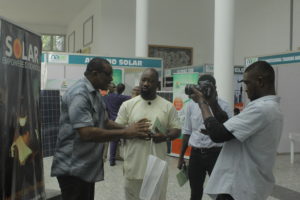
The Sustainable Energy Practitioners Association of Nigeria (SEPAN) has shared with THISDAY the excerpts of a recent research it conducted from which it stated that the cost of producing
Answers to common questions about SEPAN, membership, and how we work
SEPAN (Sustainable Energy Practitioners Association of Nigeria) is the national umbrella association for Nigeria’s sustainable and renewable energy sector a policy advocacy platform connecting practitioners, policymakers, and industry
Manufacturers, EPC contractors, rooftop installers, system integrators, balance-of-plant suppliers, and small and medium enterprises, working alongside Federal and State governments.
Five things: proactive research, facilitating dialogue between policymakers and industry, convening expert forums, hosting an Annual General Conference, and national/international networking.
SEPAN’s flagship initiative a national push to generate 5,000MW of green power for Nigeria by 2030, tracked by a dedicated department.
By a Board of Trustees, headed by a Director General, with supporting Directorates and a National Advisory Board in an advisory role.
Yes, SEPAN partners with bodies including the Federal Ministry of Power, Federal Ministry of Environment, NERC, the Energy Commission of Nigeria, and the National Assembly.
Solar power, wind power, biofuel, small hydropower, and circular economy practices.
Through the Contact page, by phone, or by email, details are listed there.
Complete the registration form on the Join SEPAN page, selecting your membership category.
Bank transfer, with instructions provided after you submit your registration.
Your application is reviewed by SEPAN staff, and you’ll receive confirmation once your payment and details are verified.
SEPAN collects only the information needed to process your membership application.
Reach out via the Contact page and SEPAN’s team will help resolve it.
Yes; workshops, training sessions, and policy dialogues throughout the year.
Built on the existing Nigeria Alternative Energy Expo, it gathers members, policymakers, manufacturers, and investors to discuss best practices in the sector.
On the Events page.
Yes; training and capacity building for registered members, organized quarterly.
A SEPAN program advancing women’s and youth participation in the clean energy sector, aligned with UN Sustainable Development Goals 7 through 17.
Research and policy advocacy are core to SEPAN’s work, though a public research/resource library isn’t live on the site yet.
Reach out through the Contact page; partnership inquiries are welcome.
Be part of Africa’s leading voice in sustainable energy advocacy